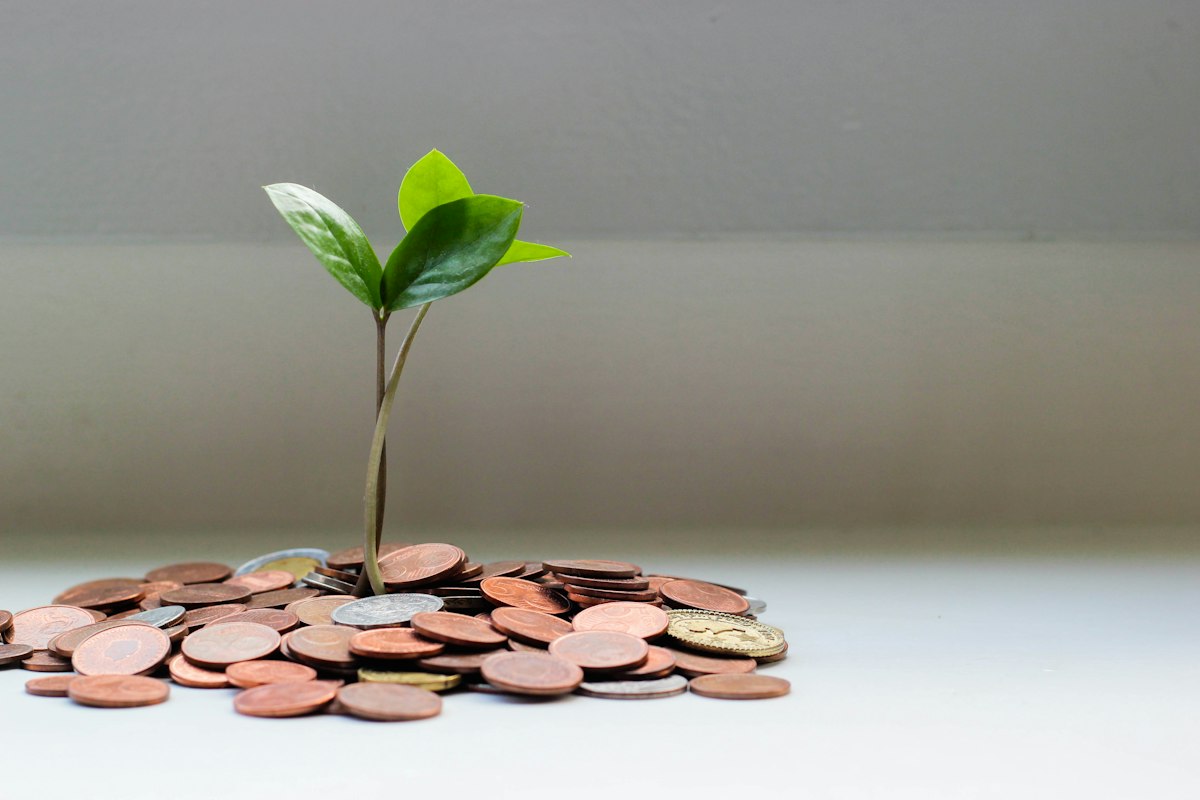
Inflation is indeed squeezing purchasing power, but that doesn't mean you have to live miserably. With the right strategy, you can maintain a comfortable lifestyle without compromising your long-term financial health. The key isn't how much you earn, but how you manage it.
Based on BPS data for June 2026, Indonesia's inflation stands at around 3.5 percent, with food, beverages, and tobacco being the largest contributors. This means basic daily necessities are experiencing the most significant price increases. However, with the following five strategies, you can not only survive but thrive amid inflationary pressures.
1. CONDUCT A MONTHLY FINANCIAL AUDIT
The first and most fundamental step is knowing where your money goes each month. Many people feel their income disappears without explanation, when the problem is simply a lack of tracking.
Start by recording every expense for one full month. Use free financial tracking apps or even a simple spreadsheet. Categorize expenses into: basic needs (food, transportation, utilities, internet), debt payments, savings and investments, and entertainment and lifestyle.
Data from the Financial Services Authority (OJK) shows that the average Indonesian spends 60-70 percent of income on consumption, while allocation for savings and investments is only around 10-15 percent. Ideally, savings and investment allocation should be at least 20 percent of income.
2. APPLY THE 50-30-20 METHOD
The simplest and most effective budgeting method is the 50-30-20 rule. 50 percent of income goes to needs, 30 percent to wants, and 20 percent to savings and investments.
Needs include food, housing, transportation, bills, health insurance, and productive debt payments like mortgages. Wants include entertainment, vacations, dining out, new clothes, and streaming subscriptions. Savings and investments include emergency funds, mutual funds, stocks, gold, and retirement funds.
If your needs exceed 50 percent, find ways to reduce them. For instance, move to more affordable housing, use public transportation, or negotiate with service providers for better rates.
3. BUILD A 3-6 MONTH EMERGENCY FUND
One of the most valuable lessons from economic uncertainty is the importance of having an emergency fund. This is savings specifically set aside for unexpected situations like job loss, accidents, or urgent medical needs.
The ideal emergency fund size is 3-6 times monthly expenses. For single workers, 3 times is sufficient. For those with families, aim for 6 times.
4. OPTIMIZE DISCOUNTS AND LOYALTY PROGRAMS
Being frugal doesn't mean being stingy. Take advantage of discounts and loyalty programs offered by various shopping platforms and financial services. Many fintech apps offer 20-30 percent cashback on daily necessities.
However, beware of discount traps. Don't buy something just because it's on sale, especially if you don't actually need it. A discount only saves money if you were already planning to buy that item.
5. IMPROVE FINANCIAL LITERACY
The best investment you can make during inflation is improving your financial knowledge. The more you understand how money works, the better financial decisions you can make.
Take advantage of free learning resources. OJK provides a financial education portal on its official website. Many personal finance books by Indonesian authors are available for free through digital libraries like iPusnas.
| Strategy | Estimated Savings | Difficulty | Long-term Impact |
|---|---|---|---|
| Financial Audit | 10-20% of expenses | Low | Very High |
| 50-30-20 Method | 20% automatic | Low | High |
| Emergency Fund | Prevents debt | Medium | Very High |
| Discounts & Cashback | 5-15% on shopping | Low | Medium |
| Financial Literacy | Indirect | Medium | Very High |
Managing finances during inflation requires discipline, but it doesn't mean living in deprivation. Consistency is key. Start with one small step, do it regularly, and within months you'll see a significant difference in your financial condition. Remember, the goal isn't just to survive inflation, but to build a strong financial foundation for a better future. Stay informed with DailyMoney. Smart investing for a brighter future.