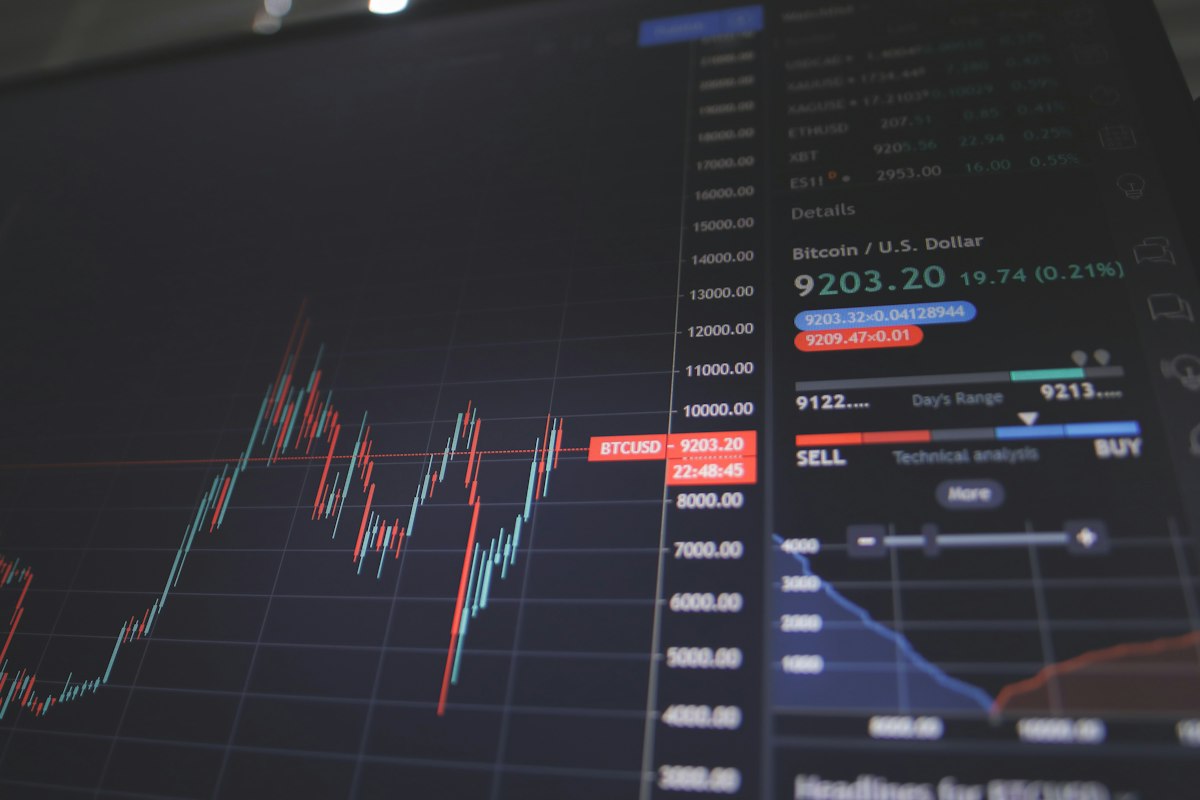
JAKARTA — After a grueling month of June, the Jakarta Composite Index (IHSG) is finally showing signs of recovery in early July 2026. In Tuesday's trading session on July 7, 2026, the IHSG closed up 70.43 points or 1.19 percent at 5,986.50, marking its strongest gain in three weeks.
This rebound comes as a relief after the IHSG recorded its worst monthly performance in June 2026, when the index plunged significantly due to massive selling by foreign investors. Data from the Indonesia Stock Exchange (IDX) shows that foreign investors recorded a net sell of Rp19.63 trillion throughout June 2026 — one of the largest foreign capital outflows in the past year.
For the first half of 2026, total foreign net selling in Indonesia's stock market reached Rp88.89 trillion, according to data compiled by the Indonesian Central Securities Depository (KSEI). This figure underscores the significant pressure facing Indonesia's capital market amid global uncertainty and rupiah depreciation.
WHY IHSG PLUNGED IN JUNE 2026
There were three main factors that drove the massive sell-off by foreign investors throughout June 2026:
1. Rupiah Weakening to Rp18,000 per US Dollar
The rupiah's exchange rate against the US dollar continued to depreciate and briefly touched the Rp18,000 per US dollar level in mid-June 2026. This weakening was triggered by a strengthening US dollar in global markets and stronger-than-expected US economic data. Bank Indonesia noted that pressure on the rupiah came from external factors, including expectations of still-high Fed interest rates.
2. Global Interest Rate Uncertainty
Although the Federal Reserve cut its benchmark interest rate by 25 basis points in June 2026, the market remained cautious. Solid US labor market data made market participants doubt the continuation of the monetary easing cycle. This pushed global investors toward safe-haven assets like the US dollar and gold.
3. Indonesia's Trade Deficit
A Fitch Ratings report highlighting Indonesia's trade deficit further dampened investor sentiment. Data from Statistics Indonesia (BPS) shows that Indonesia's trade balance recorded a deficit in May 2026, triggered by declining prices of major export commodities such as coal and crude palm oil (CPO).
FACTORS DRIVING IHSG'S EARLY JULY RECOVERY
Although still below the psychological 6,000 level, the IHSG is showing recovery momentum driven by several positive factors:
Property and Financial Sectors Lead the Charge
The two sectors that were the main drivers of the IHSG's rise on July 7, 2026 were property and financials. Property stocks, such as PT Ciputra Development Tbk (CTRA), recorded significant gains after Morgan Stanley was reported to have made large-scale purchases at Rp560 per share. Meanwhile, banking stocks like BBNI and BMRI also turned green, pushing the financial sector index up 1.5 percent.
Domestic Institutional Investors Step In
One notable factor is the role of domestic institutional investors who have begun aggressively accumulating shares at discounted prices. IDX data shows that domestic investors recorded a net buy of Rp2.1 trillion in the first week of July 2026 — largely from pension funds and insurance companies conducting portfolio rebalancing.
Increasingly Attractive Stock Valuations
After the June correction, the IHSG's average price-to-earnings (PER) ratio dropped to 12.5 times, approaching the 5-year historical average of 13.2 times. This makes Indonesian stock valuations among the cheapest in Southeast Asia, attracting value-seeking investors.
SECTOR-BY-SECTOR IMPACT
Here's how the IHSG recovery is impacting various sectors:
| Sector | June 2026 Performance | July 2026 Outlook | Recommendation |
|---|---|---|---|
| Banking | -4.2% | Neutral-Positive | Accumulate BBCA, BMRI, BBNI |
| Property | -6.8% | Positive | CTRA, PWON, BSDE attractive |
| Technology | -8.5% | Neutral | Wait and see |
| Consumer | -3.1% | Positive | UNVR, ICBP defensive |
| Mining | -7.3% | Neutral-Negative | Diversification needed |
INVESTMENT STRATEGIES AMID THE IHSG RECOVERY
For retail investors looking to capitalize on the IHSG recovery momentum, here are several strategies to consider:
1. Dollar Cost Averaging (DCA)
Don't try to time the market bottom. Instead, make regular phased purchases. The Dollar Cost Averaging (DCA) strategy allows you to buy more units when prices are low and fewer when prices rise, optimizing your average purchase price over time.
2. Focus on Blue Chip Stocks with Strong Fundamentals
During uncertain times, large-cap stocks with strong fundamentals tend to be more resilient. Stocks like BBCA, BMRI, TLKM, and UNVR have stable dividend track records and businesses that withstand various economic conditions.
3. Allocate to Index Mutual Funds
For investors who don't have time to monitor individual stock movements, index mutual funds that track the IHSG can be an excellent choice. With low management fees, index funds provide exposure to the entire market without the need to pick individual stocks.
4. Don't Forget Gold as a Hedge
Gold remains an effective hedging instrument amid uncertainty. The global gold price currently stands at US$4,153.5 per troy ounce, maintaining its bullish trend throughout 2026. Allocating 10-15 percent of your portfolio to gold can help reduce overall volatility.
IHSG OUTLOOK GOING FORWARD
Analysts expect the IHSG to potentially continue its recovery toward the 6,200-6,300 level by the end of July 2026, driven by:
- Q2 2026 earnings season — expected to show positive results, especially in the banking and consumer sectors.
- Potential further rate cuts by the Fed — which could trigger capital inflows back into emerging markets like Indonesia.
- Political stability ahead of the 2027 budget period, expected to bring positive sentiment to the market.
However, risks remain. Prolonged rupiah weakness and potential global energy price increases are still threats that need monitoring. Therefore, investors are advised to remain disciplined in risk management and avoid over-investing in any single sector.
CONCLUSION
The IHSG recovery in early July 2026 brings renewed hope for Indonesia's capital market investors. Although the Rp19.63 trillion foreign sell-off in June 2026 left deep scars, Indonesia's economic fundamentals remain strong with adequate foreign exchange reserves and a solid banking sector.
The key for investors right now is to stay calm, be disciplined in their strategy, and avoid panic-driven decisions. As the classic investment saying goes, "The best time to buy is when there's blood in the streets." However, make sure you have proper risk management in place and never invest money you need in the short term.
Track IHSG movements live at dailymoney.my.id for the latest information on the Indonesian stock market, complete with real-time data, in-depth analysis, and up-to-date investment recommendations.