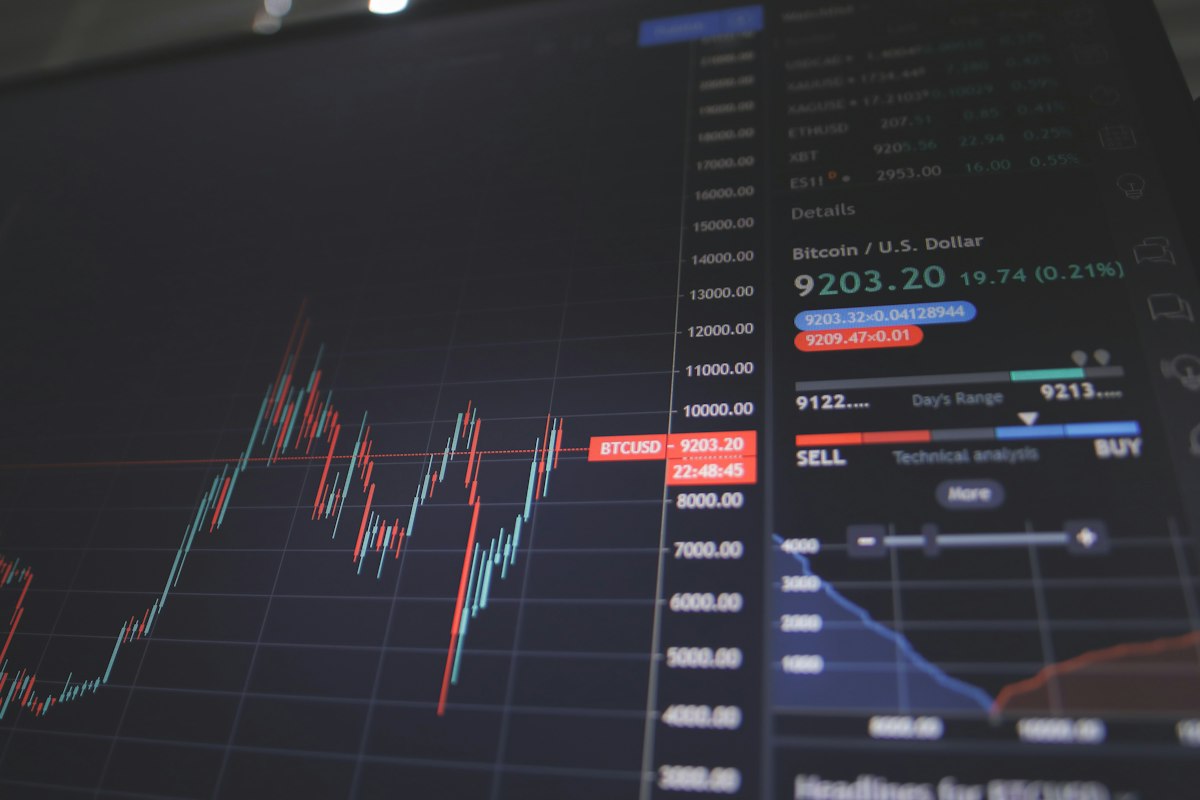
For beginners entering the world of investing, the most common question is: mutual funds or direct stocks? Both have their advantages and disadvantages, and the best choice depends heavily on your risk profile, capital amount, and financial goals.
In 2026, with increasingly advanced financial technology, access to both instruments has become easier than ever. With as little as Rp 100,000, you can start investing through various available online platforms. However, this ease of access also brings its own risks, especially for beginner investors who may lack sufficient understanding of the capital market.
UNDERSTANDING MUTUAL FUNDS
A mutual fund is a vehicle that pools money from multiple investors to invest in a diversified portfolio of securities managed by a professional Investment Manager (MI). Simply put, you entrust your money to experts. This is an ideal choice for those without the time or expertise to analyze individual stocks.
The main advantage of mutual funds is automatic diversification. With Rp 100,000, you can own a portfolio consisting of dozens or even hundreds of stocks, bonds, or money market instruments. This significantly reduces risk compared to buying just one or two individual stocks.
Various types of mutual funds are available. Money market funds suit short-term goals (under 1 year) with low risk and returns above deposits. Fixed income funds suit medium-term goals (1-3 years) with moderate risk. Equity and balanced funds suit long-term goals (over 3 years) with higher potential returns but greater risk.
UNDERSTANDING STOCKS
Stocks represent ownership in a company. When you buy shares of PT Bank Central Asia Tbk (BBCA), you automatically become a partial owner of Indonesia's largest bank. Your profits come from capital gains (price appreciation) and dividend payments.
Direct stock investing gives you full control over investment decisions. You choose which stocks to buy, when to buy, and when to sell. This offers greater profit potential but also carries higher risk.
The main risk of stock investing is high price volatility. Stock prices can rise or fall 5-10 percent in a single day. For beginner investors without a strong mindset, this volatility can be stressful, often leading to poor decisions like panic selling during downturns.
| Aspect | Mutual Funds | Direct Stocks |
|---|---|---|
| Minimum Capital | Rp 100K | Rp 100K (1 lot) |
| Time Required | Low | High (needs analysis) |
| Knowledge Needed | Not required | Must learn |
| Diversification | Automatic | Manual |
| Management Fee | Yes (MI fee) | Lower broker fee |
| Potential Return | 5-15%/year | 10-30%/year |
| Risk Level | Varies by type | High |
| Best for | Beginners, busy | Active, risk-tolerant |
STEP-BY-STEP GUIDE FOR BEGINNERS IN 2026
For beginners in 2026, a phased approach is the wisest path. Start with mutual funds to build basic understanding of the capital market without the stress of daily fluctuations.
Phase one: begin with money market funds for 3-6 months. The goal here is not huge profits but building investment discipline. While saving in money market funds, take time to learn fundamental and technical analysis through free resources available online.
Phase two: once confident after 3-6 months, begin allocating some funds to balanced or blue-chip equity funds. Blue chips are large companies with strong fundamentals, large market capitalization, and stable dividends.
Phase three: after your mutual fund portfolio reaches a significant amount and you have at least one year of experience, begin experimenting with individual stocks. Allocate a maximum of 20 percent of your total portfolio to individual stocks while keeping the rest in mutual funds.
Never invest money you need in the short term, such as living expenses or emergency funds. Capital market investments, whether mutual funds or stocks, should use cold money that you won't touch for 3-5 years. With the right strategy and patience, your investments will grow significantly over the long term. Start today, no matter how small. Time is your most valuable asset in investing. Follow more educational articles only at DailyMoney. Smart investing for a brighter future.